How to Arrange Group Transportation for Seamless Travel Experiences
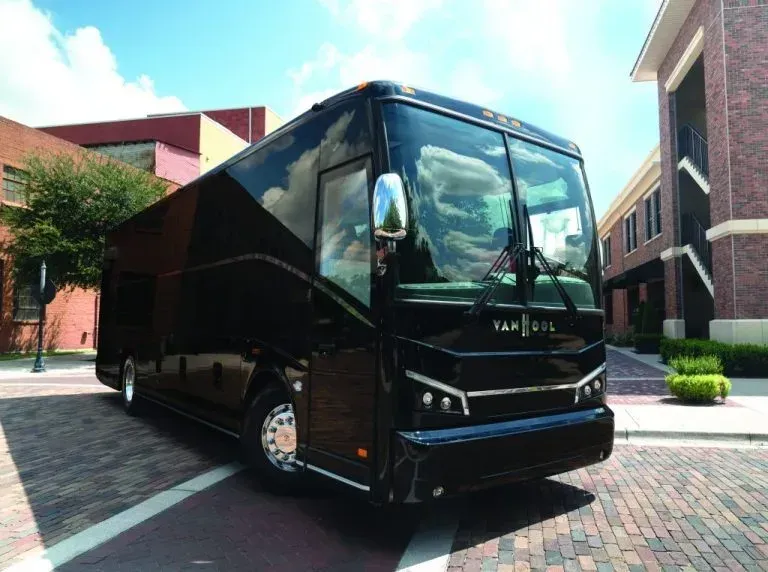
Managing transportation for a large group can rapidly become a complicated undertaking when numerous schedules, pickup plans, and travel expectations must be considered. Whether the event involves business gatherings, family functions, group activities, or special occasions, achieving timely arrivals for everyone calls for careful planning. An effective transportation plan helps prevent misunderstandings, limits delays, and contributes to a smoother experience for everyone involved. By understanding the key elements of group transportation coordination, organizers can create a seamless travel experience from beginning to end.
When sizeable groups travel collectively, transportation serves a purpose beyond merely moving passengers between destinations. It contributes meaningfully to the success of the overall experience. Careful organization helps preserve timelines, strengthen participant communication, and improve overall travel comfort. At A1 Quality Express Limousine, we understand the importance of creating organized transportation solutions that help groups travel with confidence and convenience.
Plan Transportation Ahead of Time
Effective group transportation starts with advance preparation. Leaving transportation planning too late may restrict options and complicate efforts to address specific group needs. Organizers should first establish attendance numbers, travel dates, projected departure times, and destination details. Gathering this information early creates a solid foundation for making transportation arrangements that support the event's overall schedule.
Planning ahead also provides opportunities to recognize potential issues before they escalate. Various factors, including traffic patterns, pickup arrangements, accessibility requirements, and event schedules, may influence transportation decisions. Addressing these factors in advance helps organizers establish a transportation plan that supports smooth movement. Careful planning regularly produces more efficient travel experiences with fewer complications.
Determine the Exact Size and Needs of the Group
A critical transportation planning task is evaluating the number of participants and their specific requirements. Correct passenger totals help planners choose suitable vehicles while avoiding capacity-related check here issues. Organizers should determine attendance figures in advance and continue refining them as plans develop.
Beyond simply counting travelers, it is essential to understand individual requirements within the group. Some travelers may require additional luggage space, while others may need special accommodations or assistance. Awareness of these details supports transportation arrangements that better serve the group. Taking the time to gather comprehensive information helps create a more comfortable and efficient experience for all passengers.
Formulate a Clear Transportation Schedule
A detailed transportation plan works as a reference point for everyone involved. Organizers should clearly list departure times, pickup locations, journey durations, arrival objectives, and planned route stops. Well-structured scheduling minimizes confusion and ensures all participants know their exact timing and place. Strong consistency and clear planning are vital when organizing transportation for bigger groups.
Effective communication greatly contributes to schedule reliability. All group members should obtain transportation information in advance. Sharing travel details through various platforms helps keep everyone aligned. When passengers understand expectations, operations typically run without disruption.
Set Up Central Pickup and Drop-Off Points
Organizing numerous pickup areas often increases logistical difficulty for large groups. Whenever possible, organizers should establish centralized pickup and drop-off points that are convenient for participants. Centralizing locations helps speed up boarding and minimizes delays caused by frequent stops. It contributes to clearer communication and better operational performance.
Centralized points allow for easier confirmation of all travelers before departure. Group leaders can verify attendance, distribute updates, and answer questions before the journey begins. This organized approach helps ensure that everyone is prepared and that transportation operations stay on schedule. Well-defined meeting areas contribute to efficient and organized transportation.
Prioritize Clear Communication Throughout the Process
Clear communication is among the most important elements of successful transportation planning. Participants must be kept informed of schedules, instructions, and any adjustments. Accurate communication reduces confusion and helps passengers prepare properly. Effective communication enhances efficiency and improves passenger experience.
Planners should implement dependable channels for sharing updates throughout the event. Messaging platforms, email alerts, and assigned contacts help distribute information efficiently. Throughout any effective transportation plan, communication acts as the central link keeping everyone aligned. Ongoing communication supports confidence and limits disruptions.
Plan for Unexpected Circumstances
Carefully structured transportation plans can still be affected by unexpected events. Unpredictable factors like weather and traffic may require prompt decision-making. Adding flexibility to plans helps coordinators respond efficiently to unexpected issues. Good preparation improves resilience during unexpected changes.
Contingency strategies should include backup plans, route alternatives, and key decision contacts. Established procedures help minimize stress and ensure structured responses to challenges. Proactive strategies help maintain efficiency during necessary adjustments.
Focus on Passenger Comfort and Convenience
The comfort of travelers strongly influences the journey experience. Long travel durations for groups increase the importance of comfort and convenience. Comfortable seating, organized boarding procedures, and a well-managed travel environment help create a positive atmosphere throughout the journey. When passengers are comfortable, they tend to have a better experience and arrive ready.
Convenience is an important factor in smooth transportation management. Streamlined boarding, clear guidance, and structured timing minimize issues for travelers. Proper organization allows travelers to focus on the experience rather than planning details. A smooth and convenient trip often improves the overall success of the event.
Collaborate with Experienced Transport Providers
Transportation coordination for large groups includes many details, making professional help essential. Experienced providers know how to manage timing, passenger coordination, and operational efficiency. Professional experience helps ensure structured and dependable transportation planning.
Expert transportation teams provide insights that enhance coordination. Their experience with group travel helps them anticipate issues and suggest effective solutions. Using expert support allows organizers to concentrate on the event while logistics are managed properly.
Include Transportation as an Event Component
Transportation should be viewed as an extension of the event rather than simply a method of travel. Coordinated travel allows guests to start experiencing the event early. Effective transportation planning improves the overall experience and fosters a professional atmosphere.
At A1 Quality Express Limousine, we understand that successful transportation relies on planning, communication, and customer care. Managing group transportation becomes easier when effective strategies are used. Strong organization and preparation create smooth journeys that support event success. We take pride in helping create smooth transportation experiences that allow every passenger to travel with confidence and peace of mind.